- Menu
The Pulse of the search community
Follow Subscribe Subscribe OptionsBrowse By
Browse by Date Find by Category Discover by Author Scan Most Recent See Comments View Tag CloudLight / Dark Mode Settings
Light Dark Use Device Settings Advertise Contact Us Home / Google News / Google SEO / Google Web Bot Auth: Validate Authentic Bots Google Web Bot Auth: Validate Authentic Bots May 5, 2026 - 7:11 am 0 — by Barry SchwartzBarry Schwartz / Executive Editor
 Barry Schwartz is the CEO of RustyBrick and a technologist, a New York Web service firm specializing in customized online technology that helps companies decrease costs and increase sales. Barry is also the founder of the Search Engine Roundtable and the News Editor of Search Engine Land. He is well known & respected for his expertise in the search marketing industry. He only provides consulting services to expert SEOs and also performs search marketing expert witness services. Barry graduated from the City University of New York and lives with his family in the NYC region. You can follow Barry on Twitter at @rustybrick or on LinkedIn and read his full bio over here.
 38,355 Articles as barry.schwartz Filed Under Google Search Engine Optimization

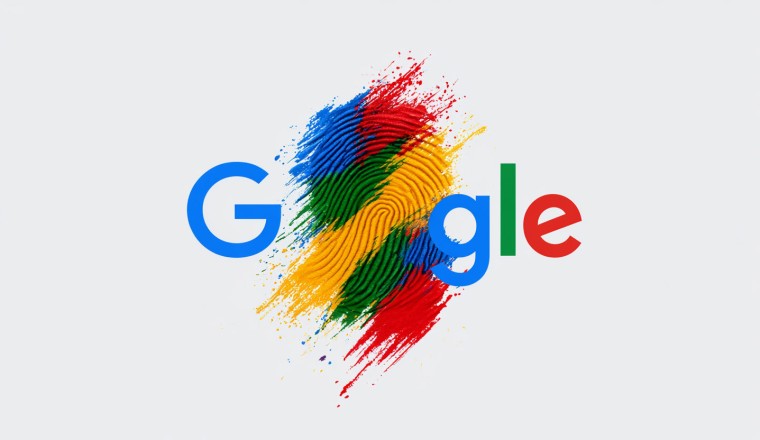
Google posted new developer documentation for how to authenticate requests with Web Bot Auth. This is a "new cryptographic protocol that helps websites to validate that bots are authentic," Google wrote.
Google added that this is "experimental," saying the company is "testing the protocol with some AI agents hosted on Google infrastructure."
Google defined what Web Bot Auth is, saying it is "an experimental cryptographic protocol used to authenticate requests sent by bots. Instead of relying solely on self-reported headers and IP addresses, Web Bot Auth allows agents to cryptographically sign their requests. Using Web Bot Auth helps website owners identify automated traffic on their sites, and prevents other actors from attempting to spoof reputable agents. Web Bot Auth can bring the following benefits:"
- Cryptographic certainty: Move beyond easily spoofed headers to a verified identity and decouple agent identity from IP addresses.
- Better observability: Gain clearer insights into how agents interact with your content.
- Future-proofing: Help establish a web where agent providers and websites can build mutual trust and make informed access decisions.
Google said not all Google user agents are using Web Bot Auth and Google is not yet signing every request of agents using the protocol. So keep that in mind while this is "experimental."
There is a lot more on how to do all of this in these help docs.
Forum discussion at Bluesky.
Copied!Popular Categories
The Pulse of the search community
Follow Subscribe Subscribe OptionsSearch Video Recaps
 Video Details More Videos Subscribe to Videos
 Most Recent Articles
Search Forum RecapDaily Search Forum Recap: May 5, 2026
May 5, 2026 - 10:00 am 0 - by Barry Schwartz Google MapsGoogle Business Profile Suspensions Spike Over User Account Restrictions
May 5, 2026 - 7:51 am 2 - by Barry Schwartz Bing SearchBing: 1 Billion Monthly Users Are Human, Not Agents
May 5, 2026 - 7:41 am 2 - by Barry Schwartz Google AdsGoogle Ads Data Retention Policy Updated
May 5, 2026 - 7:31 am 0 - by Barry Schwartz Other Search EnginesSimilarweb Data: ChatGPT Ads Click-Through Rates
May 5, 2026 - 7:21 am 1 - by Barry Schwartz Google Search Engine OptimizationGoogle Web Bot Auth: Validate Authentic Bots
May 5, 2026 - 7:11 am 0 - by Barry Schwartz
 Previous Story: Google Garage Bench Chairs In Kirkland Next Story: Similarweb Data: ChatGPT Ads Click-Through Rates
 - Submit a Thread
- Forum Search
- Awards
- About Us
- Comments Policy
- Advertise
- Contact
The content at the Search Engine Roundtable are the sole opinion of the authors and in no way reflect views of RustyBrick ®, Inc
Copyright © 1994-2026 RustyBrick ®, Inc. Web Development All Rights Reserved.
This work by Search Engine Roundtable is licensed under a Creative Commons Attribution 3.0 United States License. Creative Commons License and YouTube videos under YouTube's ToS.











Comments
0 comment