Tehran-based photographer Tahmineh Monzavi chronicles the lives of young people in Iran who bravely agree to pose for the camera. She tells Caspar Barnes and Moha Tahery what they dream for the future of their country
Sunday 31 May 2026 09:17 BST- Bookmark
- CommentsGo to comments
Bookmark popover
Removed from bookmarks
Close popoverTehran-based photographer Tahmineh Monzavi captures the lives of Generation Z in IranYour support helps us to tell the story
Read moreSupport NowFrom reproductive rights to climate change to Big Tech, The Independent is on the ground when the story is developing. Whether it's investigating the financials of Elon Musk's pro-Trump PAC or producing our latest documentary, 'The A Word', which shines a light on the American women fighting for reproductive rights, we know how important it is to parse out the facts from the messaging.
At such a critical moment in US history, we need reporters on the ground. Your donation allows us to keep sending journalists to speak to both sides of the story.
The Independent is trusted by Americans across the entire political spectrum. And unlike many other quality news outlets, we choose not to lock Americans out of our reporting and analysis with paywalls. We believe quality journalism should be available to everyone, paid for by those who can afford it.
Your support makes all the difference.Read moreWhen she was just 23 years old Tahmineh Monzavi was imprisoned for her photography.
The Tehran-based photographer’s images of drug addicts and prostitutes in the poorer parts of her city were deemed “dangerous to society” by the Iranian regime. She spent a month in solitary confinement.
Her time in prison brought on panic attacks. “In addition, I got [an] autoimmune disease for the rest of my life,” she says from Tehran, “I lost my hair.”
She did not know how to treat the disease, and it began to attack her body. This was 2012, in the wake of the Arab Spring, when a wave of pro-democracy protests toppled dictators across the Middle East and North Africa. It was a highly sensitive and politically charged time in Iran.
.jpg) open image in gallery(Tahmineh Monzavi)
open image in gallery(Tahmineh Monzavi)Fast forward to the present day, and the political environment in Iran remains highly fraught.
Since the US and Israel started their war with Iran, there have been more than 3,000 deaths due to the bombardments. As with many modern wars, a large proportion of those deaths have been civilians.
Tehran says the war has caused around $270bn in damages, which equates to around 57 per cent of the country's gross domestic product.
Over the course of two days in January, an estimated 30,000 people were slaughtered by security forces in the street. Students made up a significant portion of the victims.
Monzavi, now 38, believes Generation Z Iranians – born between 1997 and 2012 – are braver than their millennial counterparts because they have support from their parents.
This generation has put aside the caution and fear that has haunted their predecessors, she says, “ They've learned how to be fearless.”
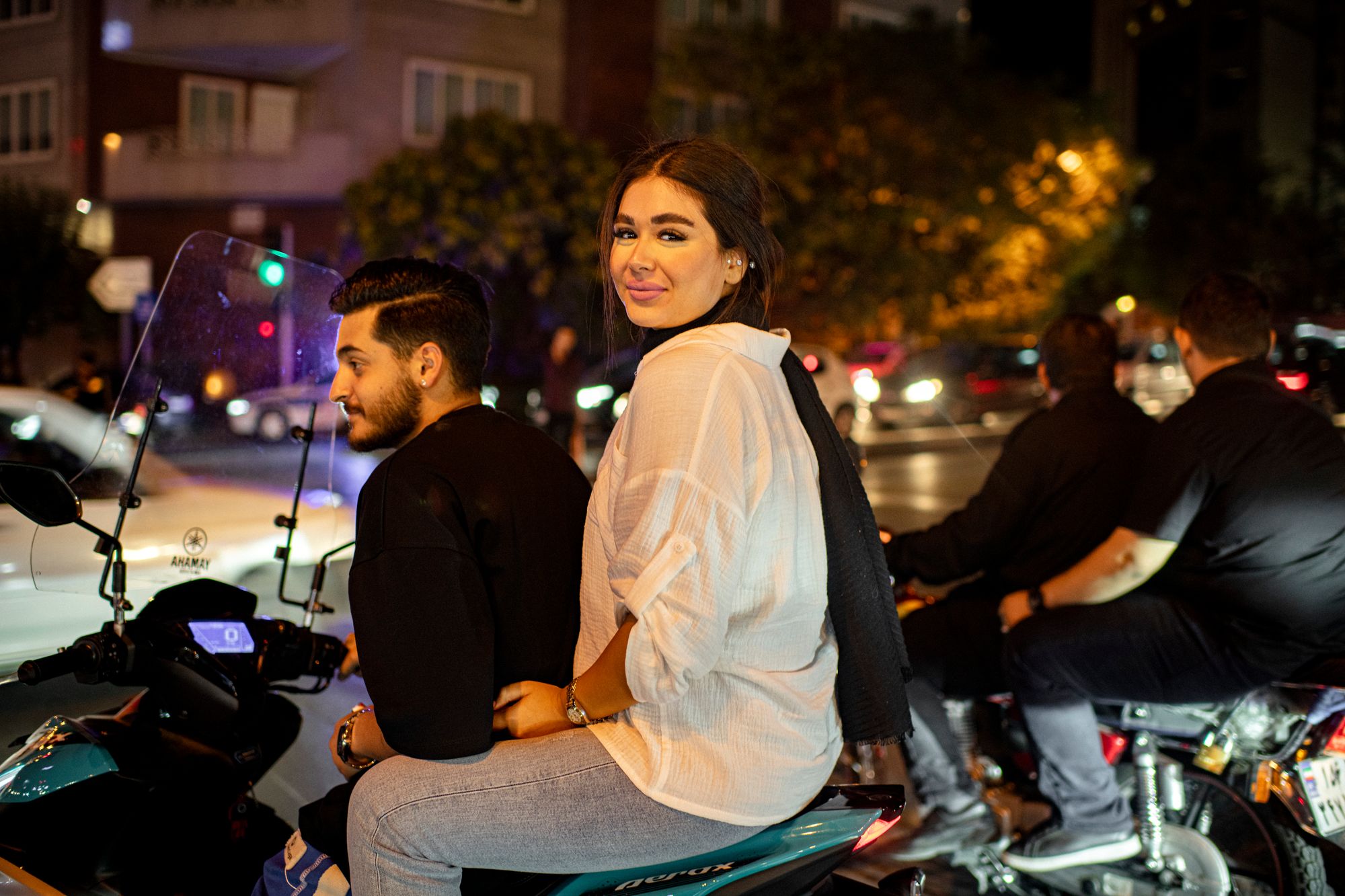 open image in galleryTehran-based photographer Tahmineh Monzavi captures the lives of Generation Z in Iran. (Tahmineh Monzavi)
That fearlessness comes through when speaking to students and young people in Iran.
“Each day passing with these murderers in power is getting closer to more death and poverty,” says Hassan. He is a 20-year-old student but Hassan is not his real name (all of the names of young people that we spoke to for this article have been changed for their safety).
“I wish people outside Iran understood that daily life is not only about politics or headlines. Even ordinary things like studying or planning a future have become difficult under constant uncertainty, economic pressure and fear,” Hassan says.
Monzavi has been turning her lens towards young people in Iran since the “Women, Life, Freedom” movement, which was sparked by 22-year-old Mahsa Amini’s death in police custody after she was arrested for failing to wear a hijab properly.
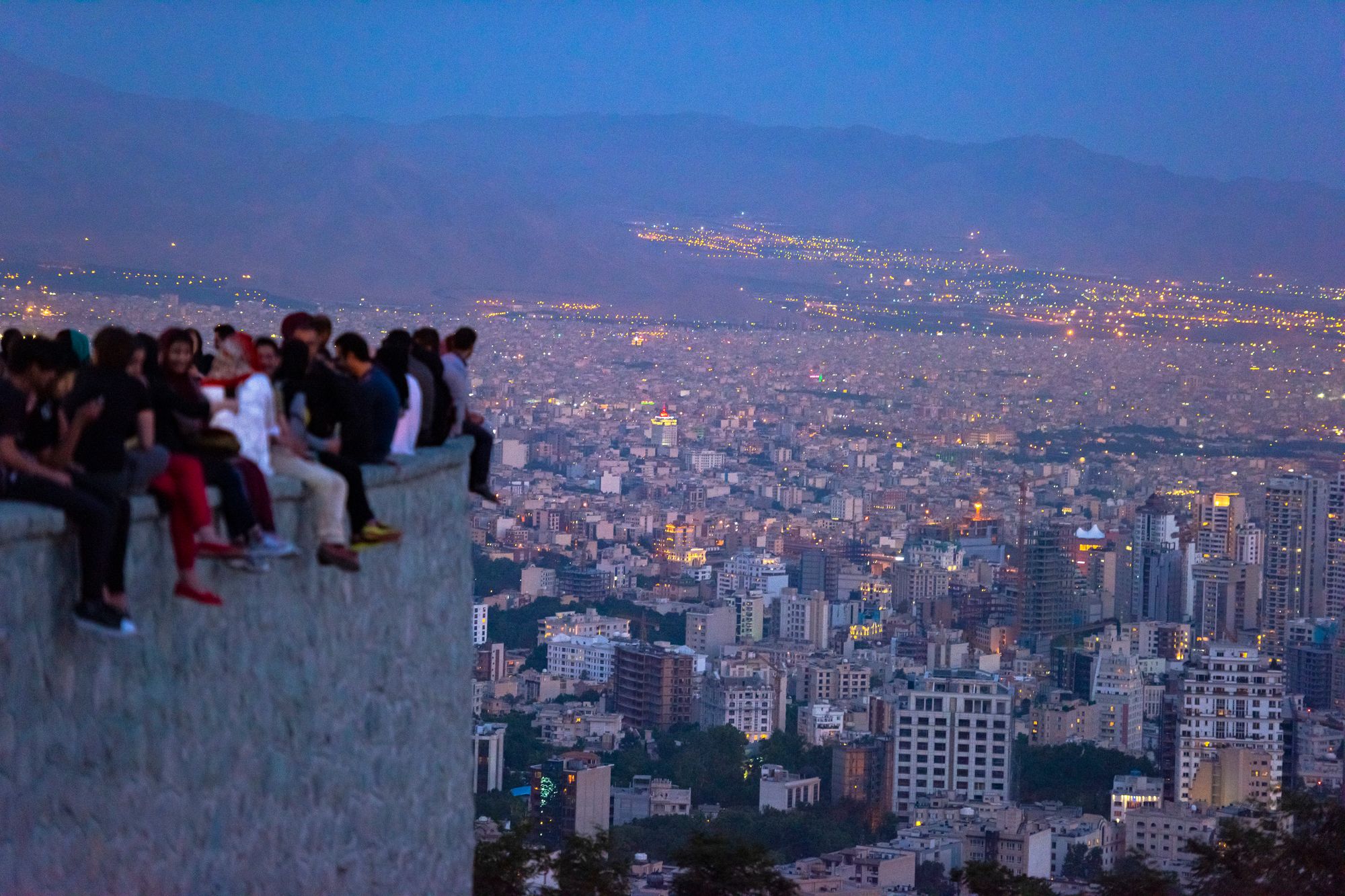
The images portray an air of normality. Teenagers and young adults drink in downtown coffee shops, pose with pets, smoke cigarettes and ride motorbikes. Many forgo the hijab or headscarves entirely.
 open image in gallery(Tahmineh Monzavi)
“It's hard to initially convince them to let me take pictures of them,” she says, “ but because of their fearlessness, they are much more open to the whole concept.”
But the reality of daily life is more difficult to capture. Fear, anxiety, arrests, spiralling prices, food shortages and the longest internet blackout in modern history.
After 88 days on Tuesday, May 26, Iran’s internet connection to the outside world was partially restored, according to online watchdog NetBlocks. For three months during the blackout you could not contact loved ones. Even checking the weather was impossible.
The blackout contributed to thousands of Iranians losing their jobs. “We still have not returned to the conditions before January,” says Tehran-based digital rights activist Saeed Souzangar.
Even before January, most major social media platforms and messaging apps were already inaccessible in Iran unless you could bypass filters with costly Virtual Private Networks (VPNs). Telegram, Google Play, WhatsApp, Instagram, and Twitter are all still filtered, according to Souzangar.
“I feel like I am being monitored,” says 25-year-old Sarfraz, “Whenever it wants, the government can block even this small gateway.” Sarfraz is studying at university alongside his job as a high school teacher.
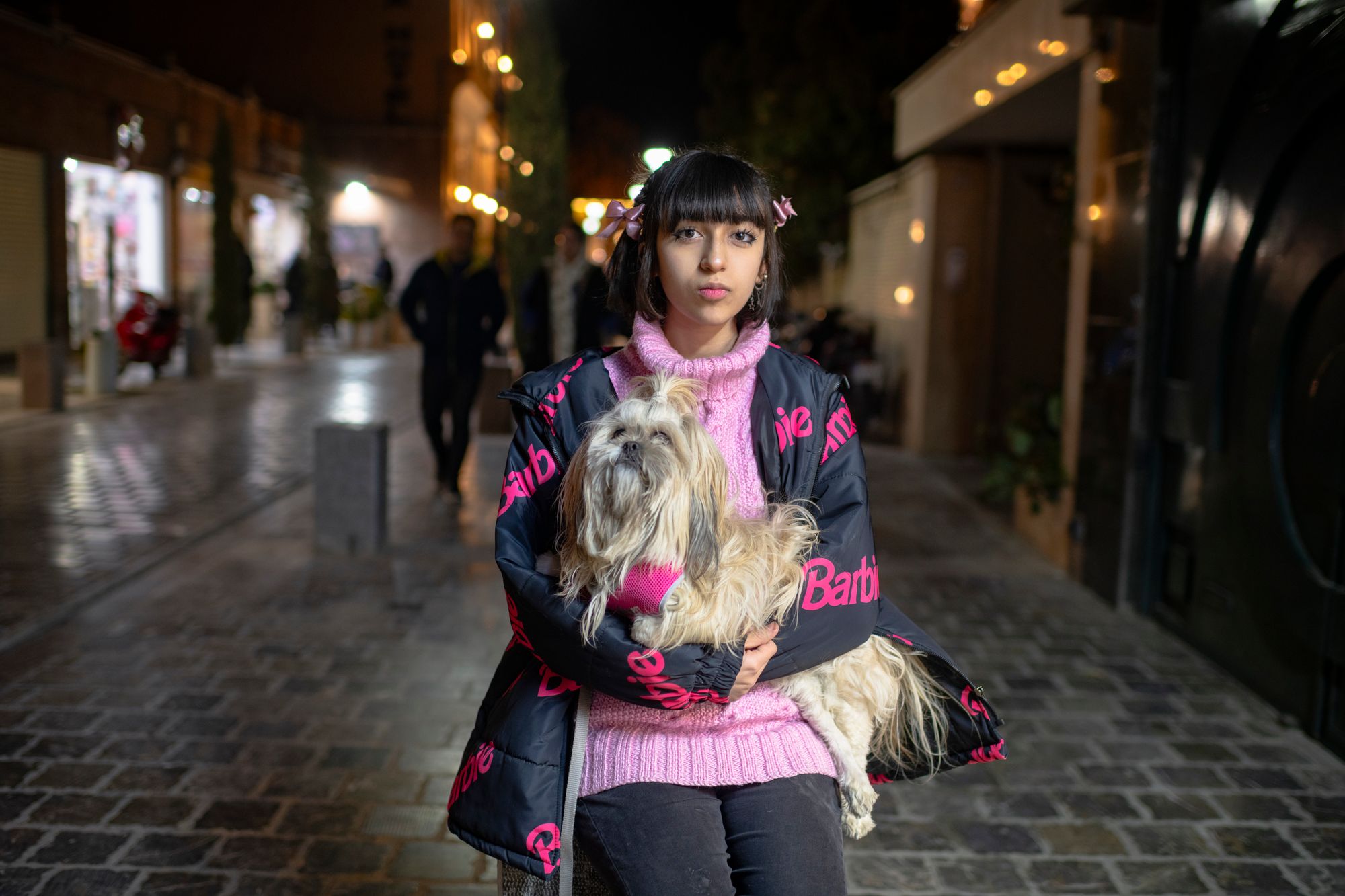 open image in galleryFor many of the young people, life in Iran is divided into ‘before’ and ‘after’ January 8. (Tahmineh Monzavi)
For many young Iranians that we spoke with, life in Iran is divided into ‘before’ and ‘after’ those two horrendous nights of bloodshed that began on January 8th at around 8.30pm local time – when internet and mobile signals were shut off as regime forces began firing on civilians in the streets.
Everyone we spoke to knows at least one friend who was injured or killed in the ensuing 48 hours.
“People aren’t the same anymore,” Sarfraz says. The 25-year-old fears there will not be any genuine reforms in Iran within his lifetime. “My only hope is that it doesn’t get any worse.”
He certainly no longer looks to the West, Trump or America to be Iran’s saviour. “I don’t think about the outside world at all; they’re just pursuing their own interests,” Sarfraz says.
It is easy to let pessimism take over. “At times, you want to say, ‘to hell with it all’ and just wish it would be over. But then you get your second wind, and the thirst for life fills you again, and you think you can change something,” Mahmoud says.
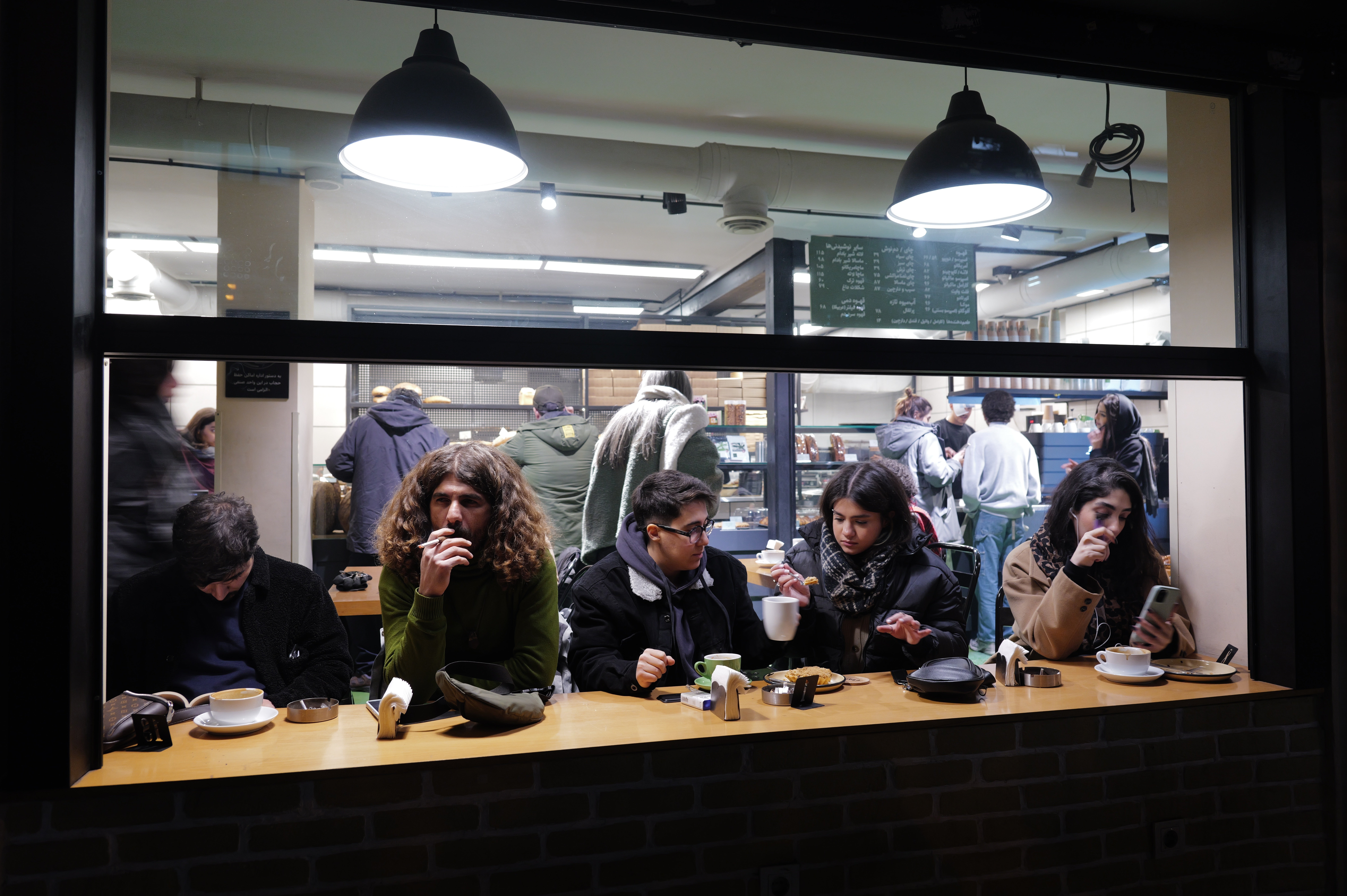 open image in galleryThe young people Monzavi has been able to photograph still allow themselves to dream about their future. (Tahmineh Monzavi)
Malik, a 29-year-old dentist, still believes, in spite of everything, “Iran will be a free country.”
He has recently been reading Shahnameh, an epic poem composed by the Persian poet Ferdowsi in the 10th century, from which he has been drawing hope. But a simple, peaceful life feels out of reach.
As a result, he is looking for an escape route. “Immigration as a major option for educated individuals is now a non-option,” he says. “Too hard and too expensive.”
.jpg) open image in galleryTahmineh Monzavi spent a month in solitary confinement in 2012 and developed an autoimmune disease that caused her to go bald. (Tahmineh Monzavi)
open image in galleryTahmineh Monzavi spent a month in solitary confinement in 2012 and developed an autoimmune disease that caused her to go bald. (Tahmineh Monzavi)For Monzavi, photography has been almost impossible since the war broke out. The camera is treated with suspicion by everybody and equates to espionage in the eyes of the regime.
But the young people she has befriended through her work still allow themselves to dream about their future.
There is an art student who dreams of freedom. A film student who dreams of directing her own movies. And one girl dreams of getting medicine for her father once the international sanctions have lifted.
These days Monzavi keeps the panic attacks at bay with therapy and meditation. When we speak, she has been on a course of medicine to stimulate hair growth for two months. But the results are patchy and not as good as she hoped.
Does she ever think about prioritising her health and stepping away from the camera, which could one day land her back in prison?
“To continue my work is much more important for my heart,” she says.
More about
Arab SpringGeneration ZTelegramIranTehranUSIsraelJoin our commenting forum
Join thought-provoking conversations, follow other Independent readers and see their replies





Comments
0 comment