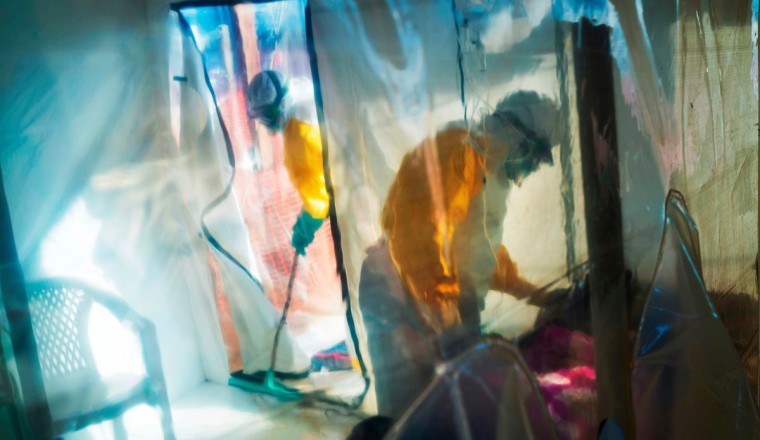
The virus was first detected on May 5 in the Democratic Republic of the Congo (DRC)
- Bookmark
- CommentsGo to comments
Bookmark popover
Removed from bookmarks
Close popoverUganda enacts emergency measures in response to Ebola outbreakYour support helps us to tell the story
Read moreSupport NowFrom reproductive rights to climate change to Big Tech, The Independent is on the ground when the story is developing. Whether it's investigating the financials of Elon Musk's pro-Trump PAC or producing our latest documentary, 'The A Word', which shines a light on the American women fighting for reproductive rights, we know how important it is to parse out the facts from the messaging.
At such a critical moment in US history, we need reporters on the ground. Your donation allows us to keep sending journalists to speak to both sides of the story.
The Independent is trusted by Americans across the entire political spectrum. And unlike many other quality news outlets, we choose not to lock Americans out of our reporting and analysis with paywalls. We believe quality journalism should be available to everyone, paid for by those who can afford it.
Your support makes all the difference.Read moreThe World Health Organization has declared the Ebola outbreak a public health emergency of international concern.
So far, 336 people have been infected in the central African and East African countries of Uganda and the Democratic Republic of Congo. At least 88 people have died.
Ebola is caused by a group of viruses called Orthoebolaviruses. The strain of the virus responsible for the outbreak, Bundibugyo, is rare. There is no vaccine to protect the public from its spread, making it particularly dangerous.
The WHO declares a public health emergency of international concern when there is a serious, sudden, unusual or unexpected outbreak that requires an international response to reduce its spread.
It has previously declared public health emergencies during outbreaks of mpox, COVID, Ebola, Zika, polio and swine flu.
When did this outbreak start?
The virus was first detected on May 5 in the Democratic Republic of the Congo (DRC) and was confirmed as the Bundibugyo strain on May 15.
The disease had spread to Uganda, with two cases detected in the nation’s capital, Kampala.
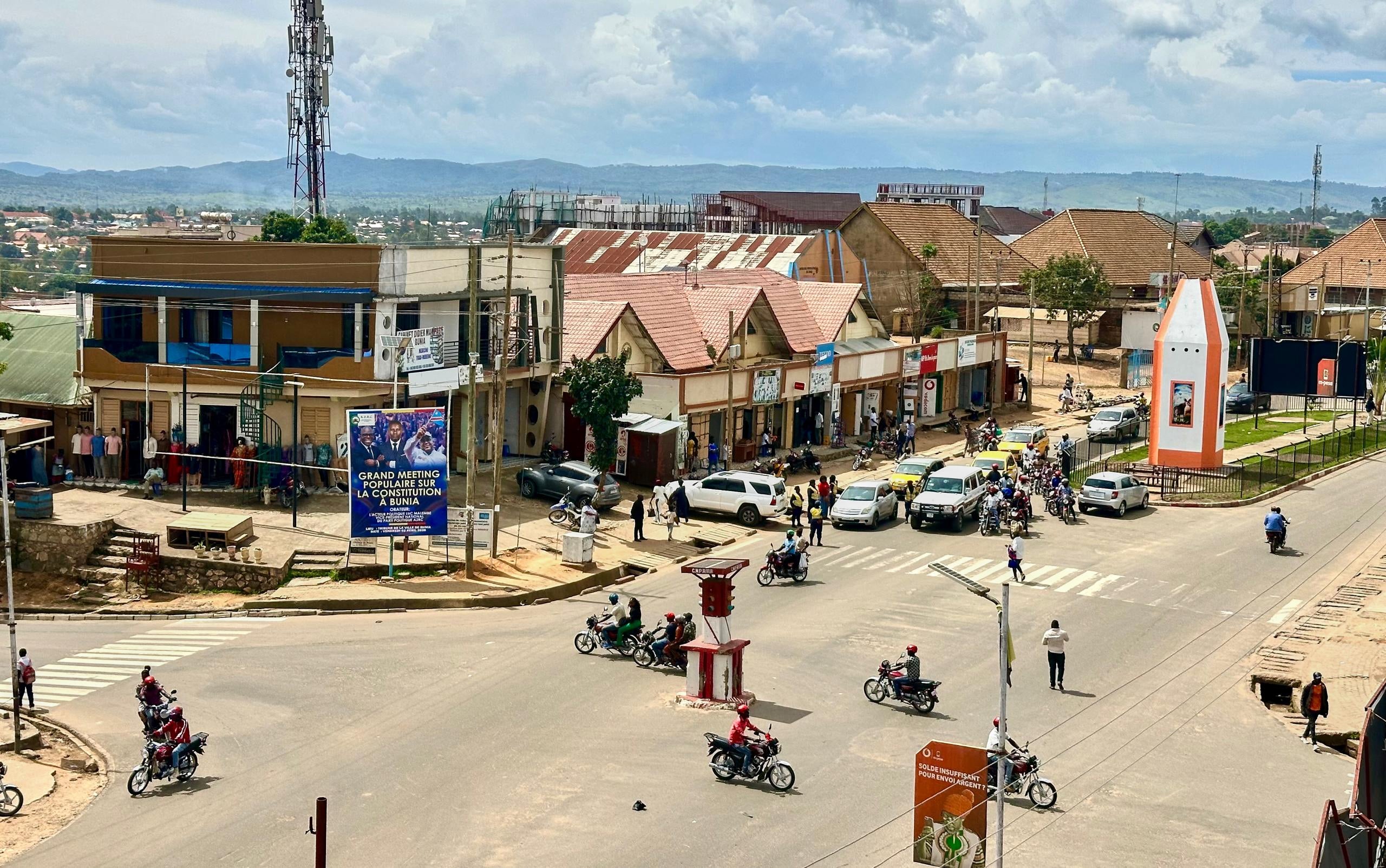 open image in galleryA general view of Bunia, where Ebola outbreaks have been confirmed in Ituri province, Congo (AP)
A recent suspected case in the DRC’s most populous city, Kinshasa, did not test positive but it seems likely that the outbreak could arrive in this city.
The WHO has warned the true scale of the outbreak is likely larger than current figures suggest.
How does it spread?
African fruit bats appear to be the natural hosts of the virus. Monkeys, apes and antelope can catch the infection from bats.
The first human case was identified in the DRC in 1976. This is the 17th outbreak. The worst outbreak was the 2014–16 West Africa epidemic, which was caused by the Zaire strain and killed more than 11,000 people.
The virus spreads from human to human through direct contact with the bodily fluids of an infected person, such as blood, faeces or vomit, including after they’ve died.
Health-care workers and caregivers face the highest risk of infection.
What are the symptoms?
The symptoms of Ebola disease can be sudden and include a fever, fatigue, malaise, muscle pain, headache and sore throat.
These are followed by vomiting, diarrhoea, abdominal pain rash, and symptoms of impaired kidney and liver functions, leading to organ failure. In some cases, there is bleeding and haemorrhaging.
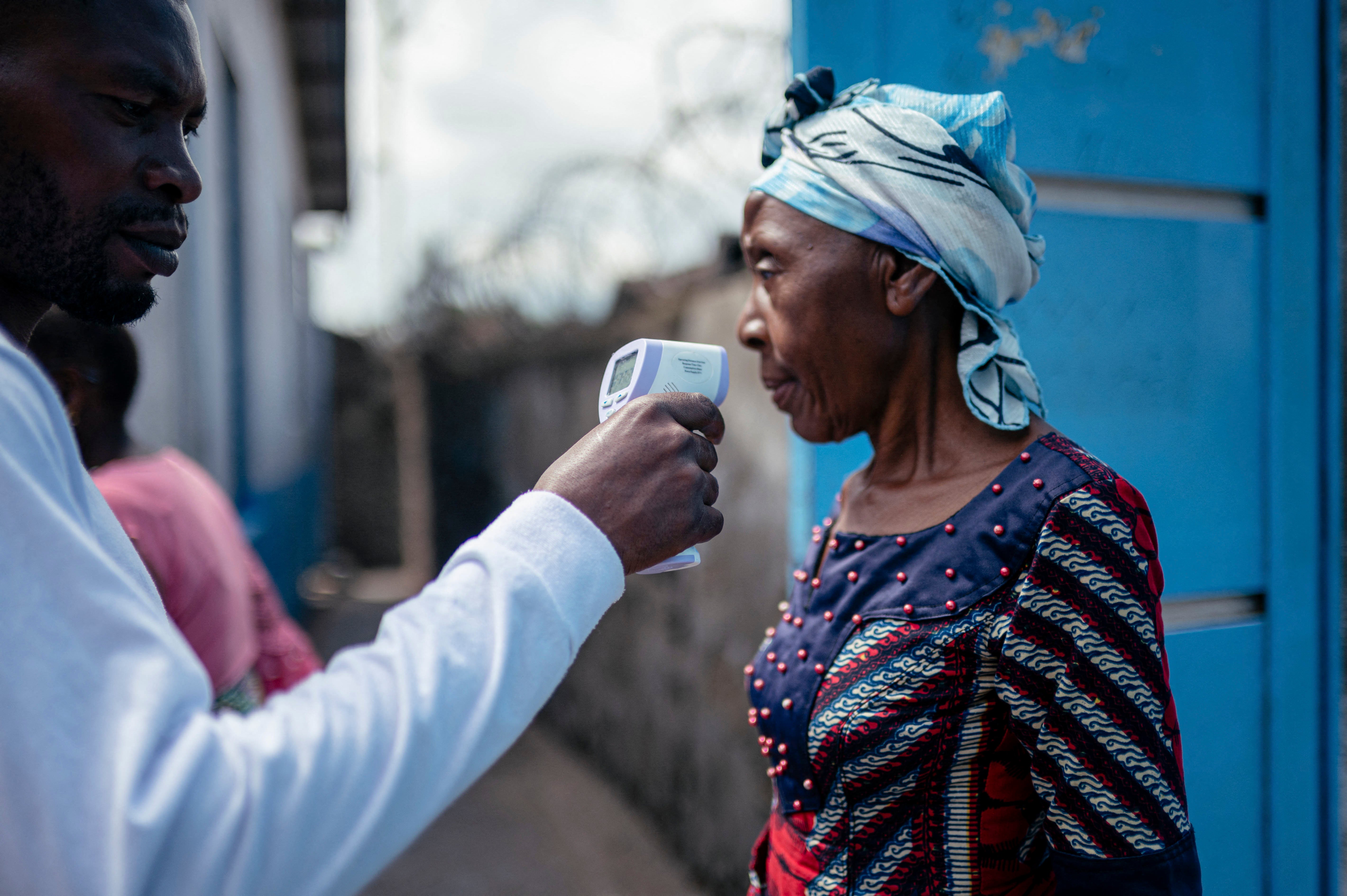 open image in galleryA staff member of the CBCA Virunga Hospital checks a visitor's temperature (AFP/Getty)
Overall, around 50% of people who contract Ebola die from it. The mortality rate of previous outbreaks ranges from 25–90%, depending on the strain and access to health care.
The current strain has a lower death rate of around 40%. However it’s considered more dangerous as there is no vaccine.
Why isn’t there a vaccine?
There are two approved vaccines for Ebola.
One, Ervebo, was released in 2015 and was provided to 345,000 people during the 2018–2020 outbreaks in the DRC. This works by using a protein from the Ebola virus to train our immune system to recognise and respond to the virus, without using a live strain.
The other vaccine, Zabdeno, has undergone clinical trials. It is mainly provided to primary contacts and health-care workers. This is because it requires two doses, several weeks apart, making it less suited to an emergency response.
Vaccines for the current Bundibugyo strain are sill in the research stage, having undergone pre-clinical trials in animal models.
How is it treated and managed?
There are no specific treatments for the Bundibugyo strain. Treatment focuses on managing the symptoms such as maintaining blood pressure, reducing vomiting and diarrhoea, maintaining hydration, and managing fever and pain.
Public health responses are overseen by the WHO’s Ebola surveillance strategy. The response combines community communication, rapid diagnosis, isolation, contact tracing and safe burials to stop transmission.
About the author
Thomas Jeffries is a Senior Lecturer in Microbiology at Western Sydney University.
This article was first published by The Conversation and is republished under a Creative Commons licence. Read the original article.
Contact tracing involves identifying everyone who had direct physical contact with a symptomatic case, monitoring them daily for 21 days, and isolating and testing anyone who develops symptoms.
Testing uses real-time PCR and rapid antigen tests (RATs) to detect viral particles in a similar way to COVID.
However, local conflict, poverty and difficult terrain combine to make field management challenging.
Should we be concerned?
The epicentre of the outbreak, Ituri province, is a conflict-affected, high-traffic mining region. Workers regularly move across health zones and borders, increasing the risk of spread.
At least four health-care workers have died, suggesting gaps in infection prevention at health-care facilities.
There is no current need for border closures but authorities have recommended the DRC and Uganda enhance contact tracing and scale-up laboratory testing.
Australia’s direct risk remains low, and the WHO has advised against travel restrictions. Australian border authorities require those returning from Ebola-affected regions to report this.
As this is a rapidly evolving situation, it’s important to remain up-to-date with current restrictions and quarantine guidelines.
More about
The ConversationEbolaDemocratic Republic of CongoWorld Health OrganizationUgandaJoin our commenting forum
Join thought-provoking conversations, follow other Independent readers and see their replies










Comments
0 comment