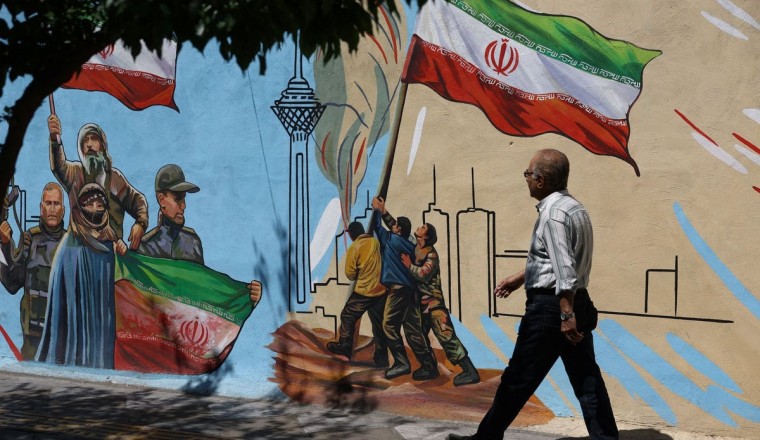
These recent quakes were felt close to the Mosha fault, one of Iran’s most active seismic zones
- Bookmark
- CommentsGo to comments
Bookmark popover
Removed from bookmarks
Close popoverTrump heads to China amid escalating tensions with IranYour support helps us to tell the story
Read moreSupport NowFrom reproductive rights to climate change to Big Tech, The Independent is on the ground when the story is developing. Whether it's investigating the financials of Elon Musk's pro-Trump PAC or producing our latest documentary, 'The A Word', which shines a light on the American women fighting for reproductive rights, we know how important it is to parse out the facts from the messaging.
At such a critical moment in US history, we need reporters on the ground. Your donation allows us to keep sending journalists to speak to both sides of the story.
The Independent is trusted by Americans across the entire political spectrum. And unlike many other quality news outlets, we choose not to lock Americans out of our reporting and analysis with paywalls. We believe quality journalism should be available to everyone, paid for by those who can afford it.
Your support makes all the difference.Read moreA series of nine minor earthquakes struck the Pardis area, east of Tehran, overnight, reigniting fears among experts and residents that the Iranian capital could face a significant seismic event.
The unusual cluster of tremors, recorded over a single night in eastern Tehran province, has intensified concerns about the accumulated tectonic pressure beneath and around the city, which is situated near several active fault lines.
While seismic activity is common in the region, it is rare for multiple tremors to occur consecutively.
These recent quakes were felt close to the Mosha fault, one of Iran’s most active seismic zones. State media confirmed that one of the earthquakes registered a magnitude of 4.6, though the mild activity caused no reported casualties or material damage.
Seismologist Mehdi Zare, cited by semi-official Mehr news, stated that it remains uncertain whether these tremors represent a beneficial release of built-up seismic energy, thereby reducing future risk, or if they serve as ominous warning signs of more powerful future activity along the fault system near Tehran.
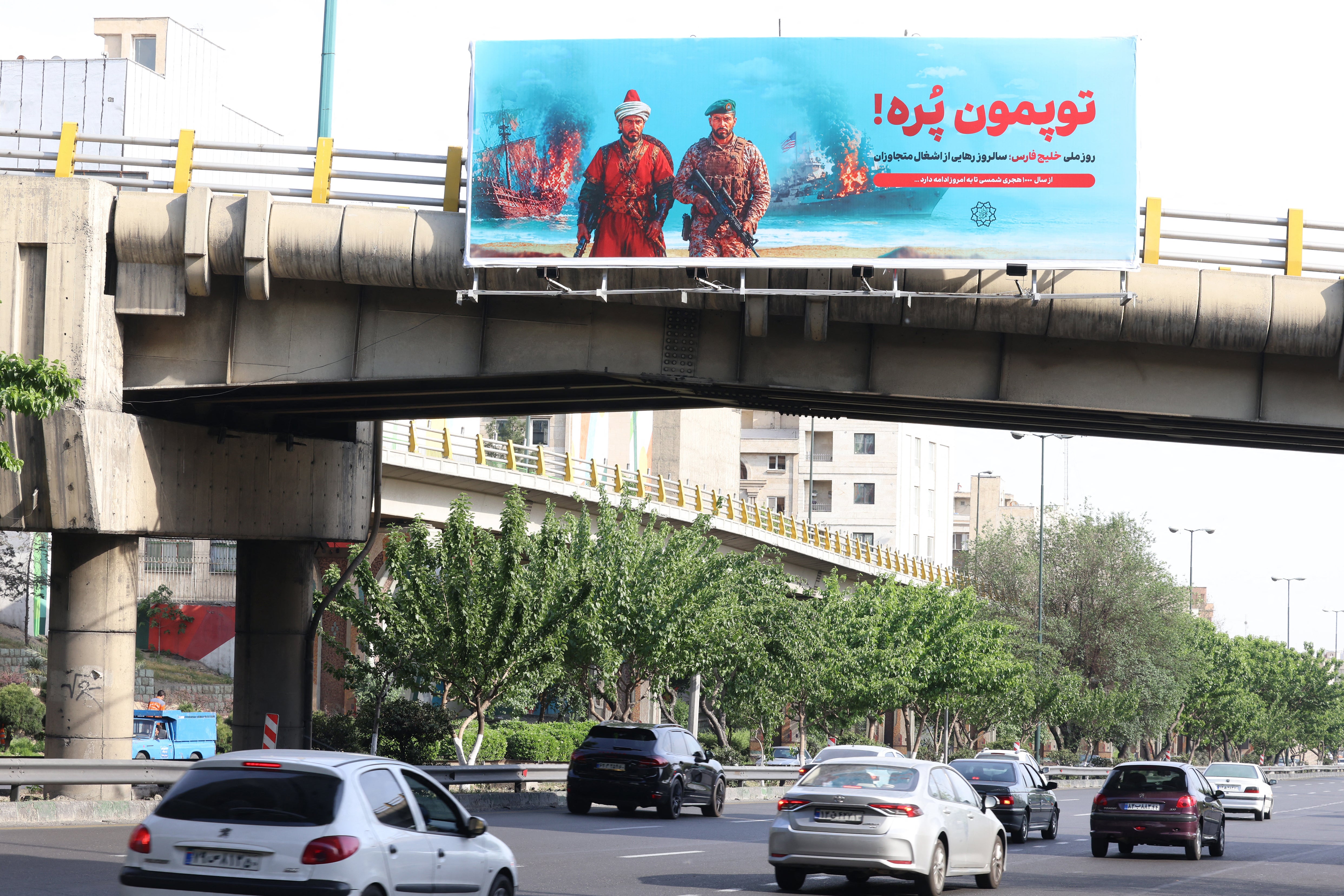 A large anti-American banner that reads in Persian, "Our cannons are full", referring to the Strait of Hormuz, is placed across a bridge that spans a highway in Tehran (AFP/Getty)
Zare warned that Tehran’s vulnerability is amplified not only by active fault lines but also by dense urban development, population concentration and limited preparedness.
He said even relatively small earthquakes can cause disruption in the capital due to fragile infrastructure and congestion, complicating emergency response.
Tehran, a metropolitan area of more than 14 million people, lies near major active faults including the North Tehran, Mosha and Rey fault systems. Iranian experts have repeatedly warned that a major earthquake near the capital could have catastrophic consequences.
Iran is among the world’s most earthquake-prone countries, and memories remain vivid of the 2003 Bam earthquake, which killed more than 30,000 people.
The news comes as Donald Trump is making his way to China to hold landmark talks with President Xi Jinping including on how to bring an end to the war in Iran and reopen the Strait of Hormuz.
It comes during a critical juncture in attempts to end the US-Israeli war on Iran, amid growing fears that a temporary ceasefire could collapse if a long-term agreement is not found in the coming weeks.
Meanwhile, The New York Times reports that Iran has restored operational access to 30 of its 33 missile sites along the Strait of Hormuz. Tehran has effectively blocked the vital oil waterway during the war.
Trump lashed out at the US media, accusing it of “virtual treason” after it reported on American intelligence indicating that Iran retains substantial missile capabilities.
More about
earthquakesTehrantremorsJoin our commenting forum
Join thought-provoking conversations, follow other Independent readers and see their replies










Comments
0 comment