Bookmark popover
Removed from bookmarks
Close popoverYouTuber and Pizza Hut join forces to create world's largest pizza, breaking recordYour support helps us to tell the story
Read moreSupport NowFrom reproductive rights to climate change to Big Tech, The Independent is on the ground when the story is developing. Whether it's investigating the financials of Elon Musk's pro-Trump PAC or producing our latest documentary, 'The A Word', which shines a light on the American women fighting for reproductive rights, we know how important it is to parse out the facts from the messaging.
At such a critical moment in US history, we need reporters on the ground. Your donation allows us to keep sending journalists to speak to both sides of the story.
The Independent is trusted by Americans across the entire political spectrum. And unlike many other quality news outlets, we choose not to lock Americans out of our reporting and analysis with paywalls. We believe quality journalism should be available to everyone, paid for by those who can afford it.
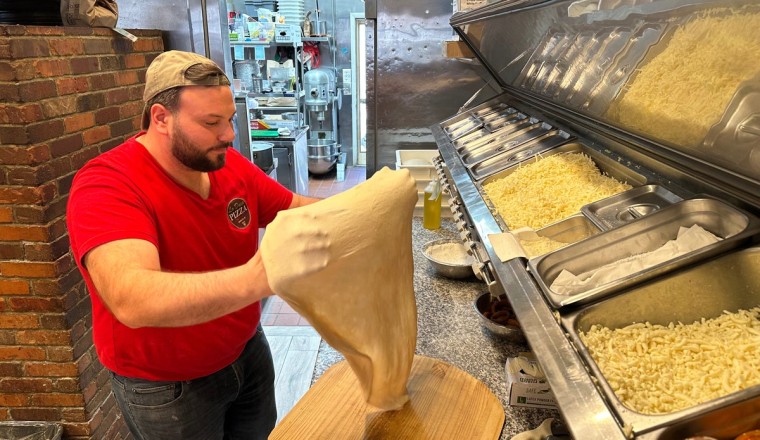
Your support makes all the difference.Read moreA distressing discovery recently shook Salvatore Lo Duca, who has spent over a decade perfecting dough at his family’s Brooklyn pizzeria.
He found that bromated flour, a key ingredient in their thin-crust pies, contains a suspected carcinogen already prohibited in many countries.
This revelation prompted the 39-year-old to begin tweaking his parents' original recipe at Lo Duca Pizza, yielding unexpected results. "When we started playing around with a different flour, I actually took a liking to it," said Lo Duco, who runs the shop with his five brothers. "It’s a little more expensive, but the quality is there."
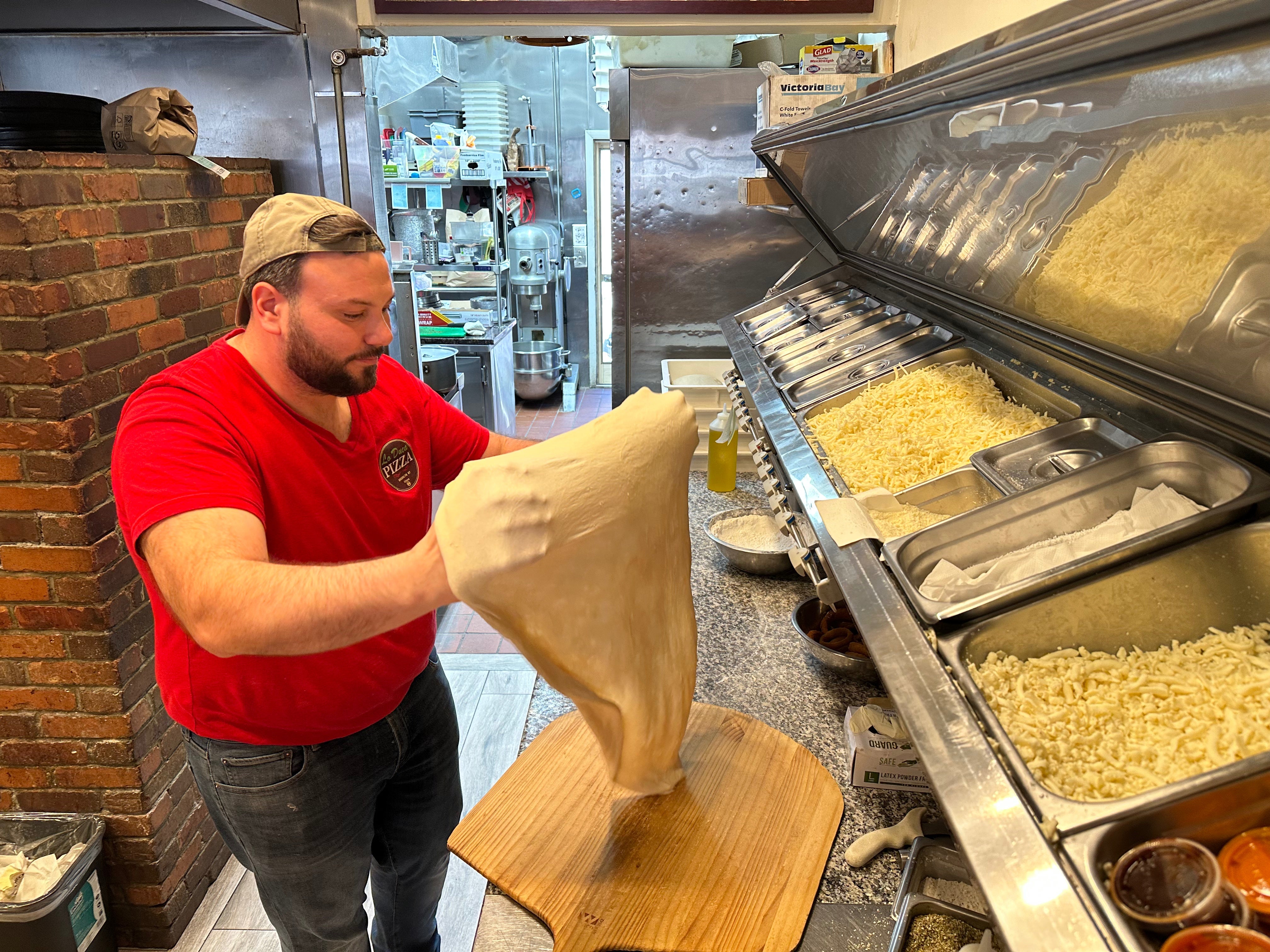 open image in gallery“When we started playing around with a different flour, I actually took a liking to it,” said master pizza maker Salvatore Lo Duco, who runs his shop with his five brothers. “It’s a little more expensive, but the quality is there” (Copyright 2026 The Associated Press. All rights reserved)
A looming ban on potassium bromate, the additive in question, could soon force thousands of New York pizzerias and bagel shops into a similar transition. State lawmakers have passed a bill, now awaiting Governor Kathy Hochul’s signature, which has divided dough-makers.
Concerns are mounting that even minor alterations to long-established baking practices could profoundly impact the city’s most iconic foods. "This is an earth-shaking event for New York pizza," stated Scott Wiener, a pizza historian who conducts tours of notable slice shops. "That ingredient is part of the identity of the slice."
While employees at several stores using bromated flour declined to comment, Wiener estimates that approximately 80% of pizza and bagel shops rely on flour containing this oxidizing agent. It reduces dough rest time and contributes to a stronger, chewier product.
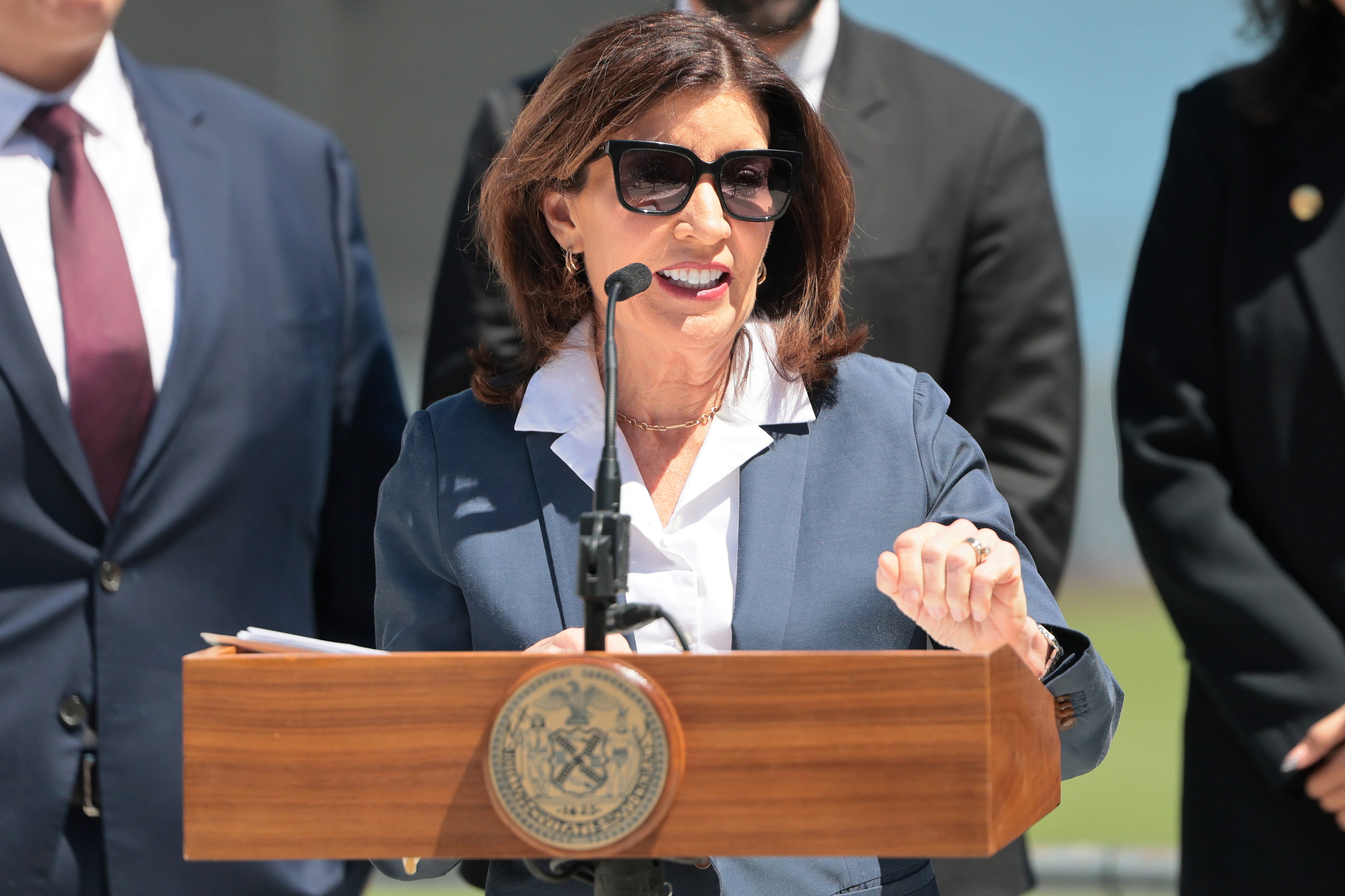 open image in galleryThe bill, passed by state lawmakers and awaiting Gov. Kathy Hochul’s signature, has divided dough-makers, triggering fears that even a minor change to long-established baking practices could have dramatic implications for the city’s most iconic foods (Getty)
For some, the distinctive qualities of the New York bagel – its height, structure, external crispiness, and springy bite – are seen as unattainable, or at least less ubiquitous, without this chemical shortcut. "
You could achieve that same bagel texture, but it’s a lot more work and it’s going to be a lot more expensive," lamented Jesse Spellman, second-generation owner of Utopia Bagels. He, too, has been adjusting his family recipe, experimenting with yeast concentrations and rise time. "It’s going to take some time to get a product that we’re happy with," Spellman added.
Conversely, many view the proposed ban on potassium bromate as long overdue. The additive is already outlawed across the European Union, China, India, Canada, and will be in California next year. Some experts suggest its absence outside the United States might explain why many Americans find baked goods in Europe more palatable.
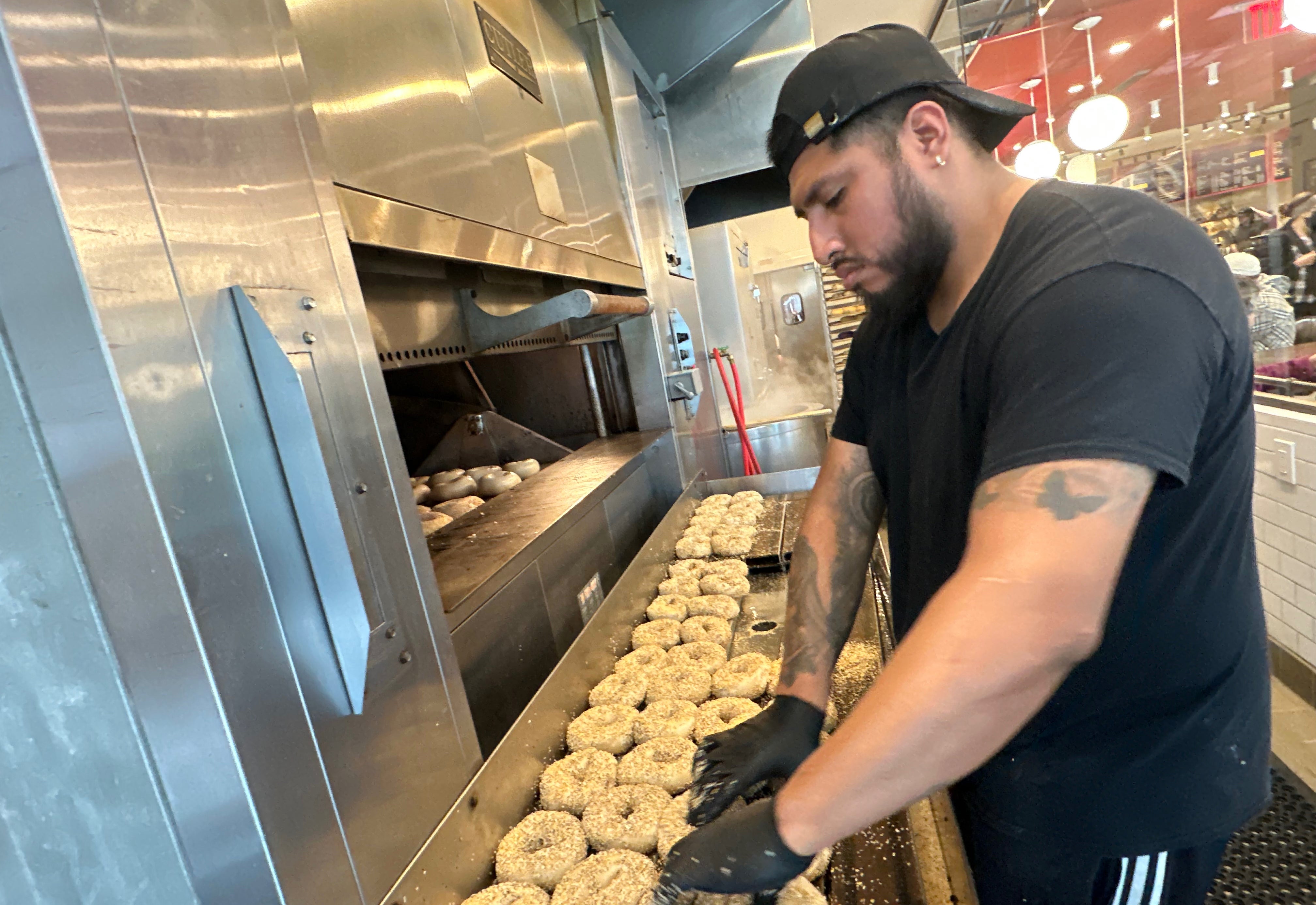 open image in galleryIt’s estimated that around 80% of pizza and bagel shops rely on a flour that contains the oxidizing agent, which reduces rest time for dough and helps ensure a stronger, chewier product (Copyright 2026 The Associated Press. All rights reserved)
"From a consumer’s point of view, there’s nothing good about potassium bromate," asserted Erik Millstone, a professor of science policy at the University of Sussex, specializing in the health impact of food chemicals. He noted that studies dating back to the 1980s have shown it can cause cancer in laboratory animals, even at "perfectly reasonable" doses. "
Most well-informed people would prioritize a long, healthy life over a slightly softer and more soluble bun," he concluded.
Already, many celebrated Big Apple pizzerias, particularly newer, artisanal establishments, proudly advertise their use of "unbromated" flour. However, neighborhood slice shops predominantly still use General Mills' "All Trumps" flour, a staple since the city’s first grab-and-go pizza parlors opened nearly a century ago, according to Wiener.
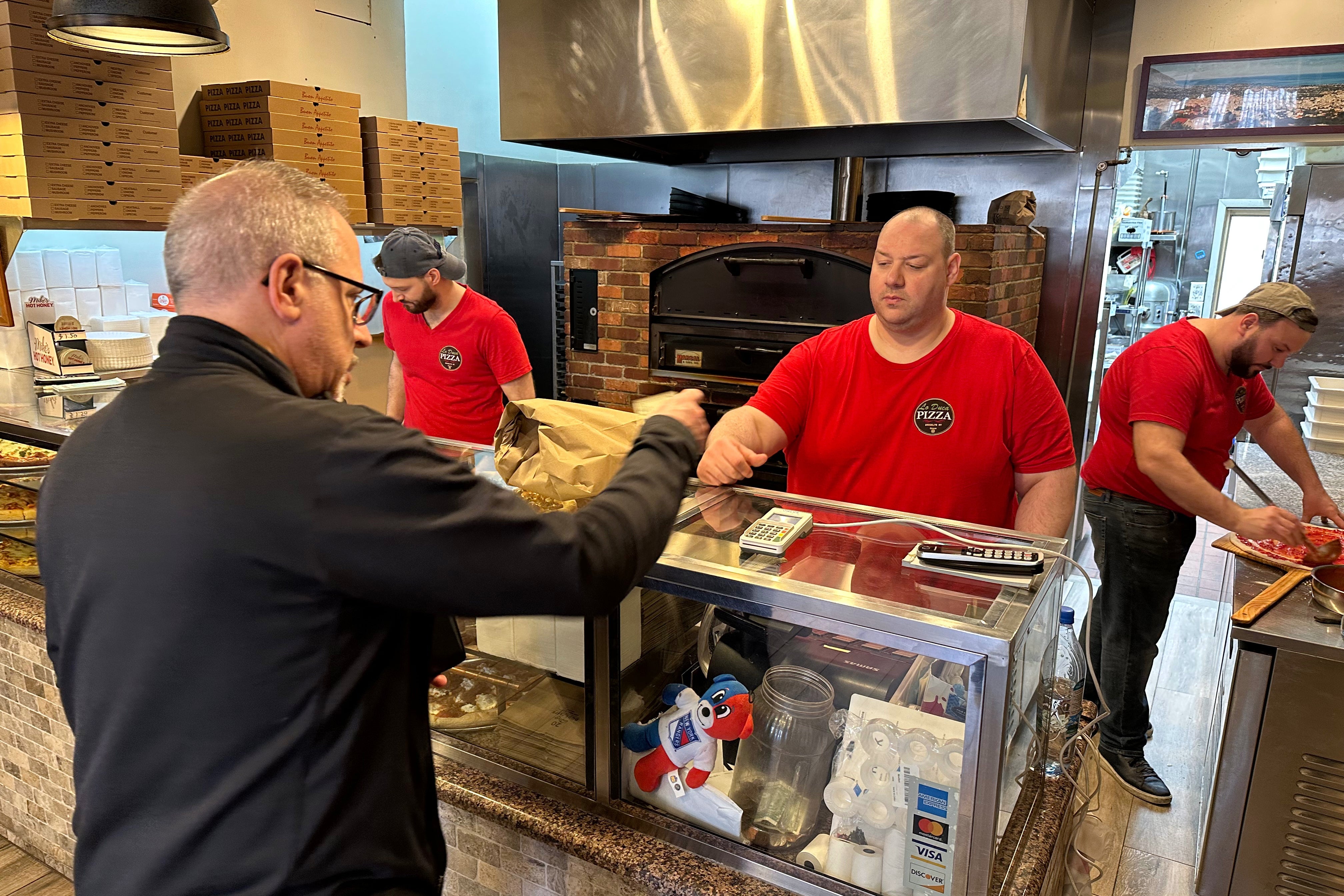 open image in galleryNeighborhood slice shops still overwhelmingly rely on a General Mills flour called All Trumps, a standard ingredient since the city’s first grab-and-go pizza parlors opened nearly a century ago (AP)
General Mills now offers an unbrominated version at a similar price, though other alternatives can be costlier. Wiener believes the shift away from bromated flour could ultimately enhance the quality of slices citywide.
"Without such a fast turnaround for dough production, you’re going to get more well-fermented doughs, which is going to lead to lighter pizzas that are easier to eat and leave you with less of a stomachache," he explained. "It will require more of a process. But everything will be built back better."
Should the legislation pass, businesses will receive a one-year grace period to continue using the additive, plus additional time to deplete unexpired bags. A spokesperson for Governor Hochul confirmed she would review the bill. Meanwhile, the potential ban's implications have extended beyond New York.
"Pizza in Florida is officially better than pizza in New York," proclaimed Mario Mangilia, owner of Florida's DoughBoyz, in a recent Instagram post, adding that "my grandfather would haunt me" if his shop’s dough recipe ever changed.
However, after facing criticism from prominent pizza accounts regarding the additive's health concerns, Mangilia appeared to reconsider his pro-bromate stance. "I’ll tell you what," he responded to a Long Island-based pizza owner. "I’ll test some different flour out to check it out."












Comments
0 comment